


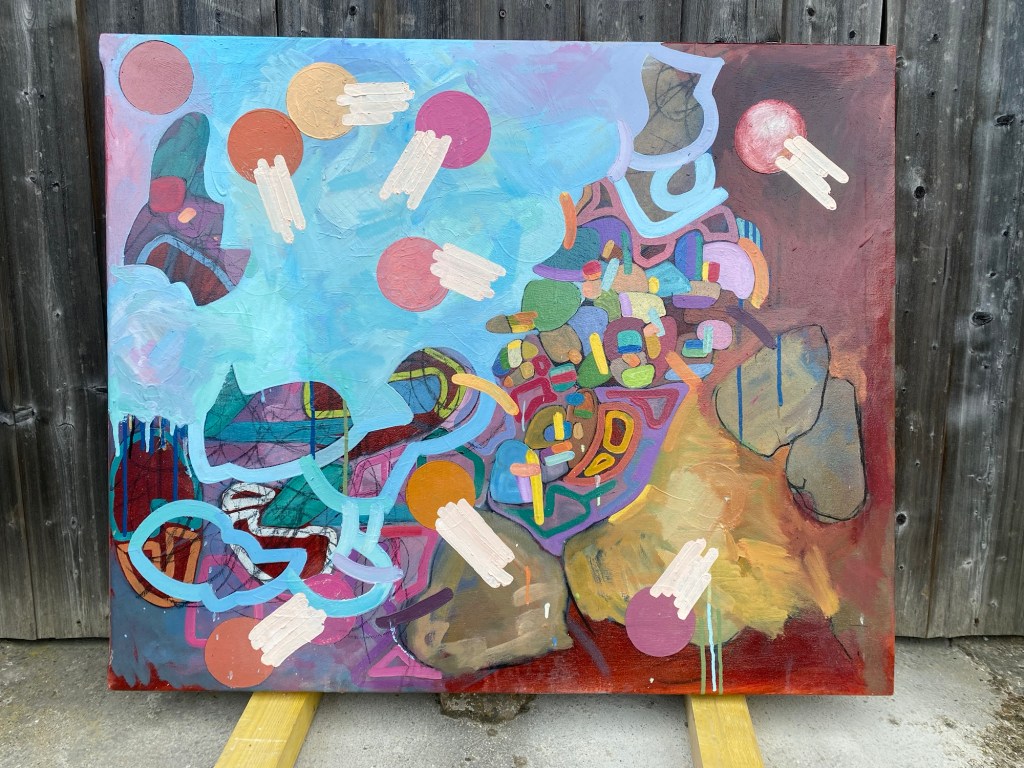
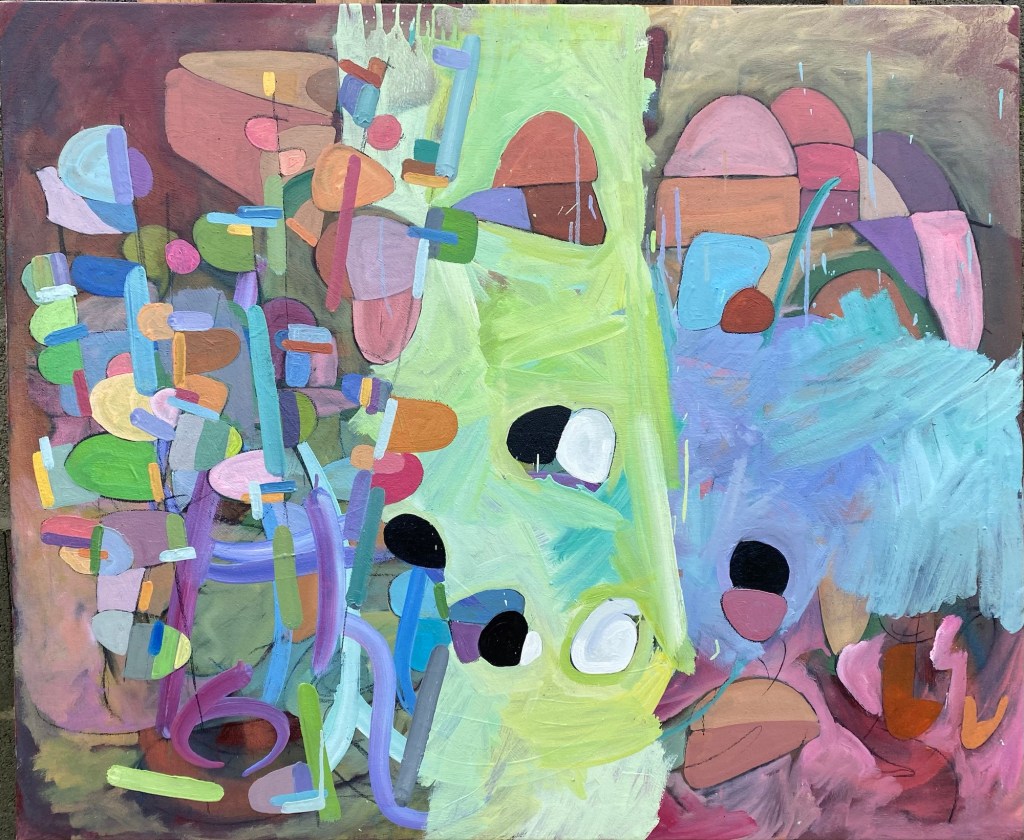
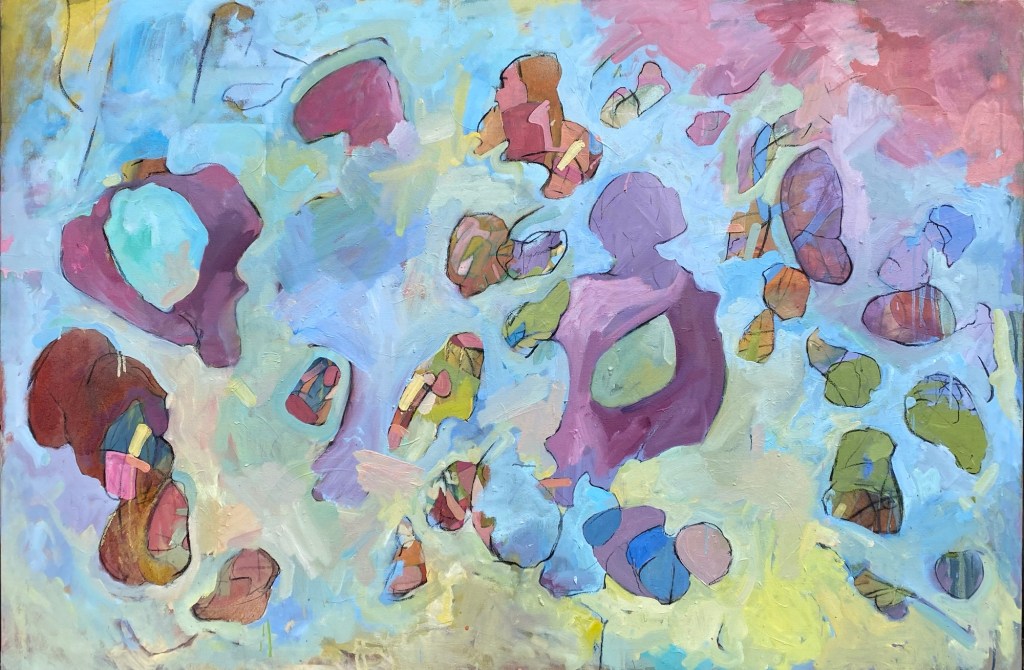
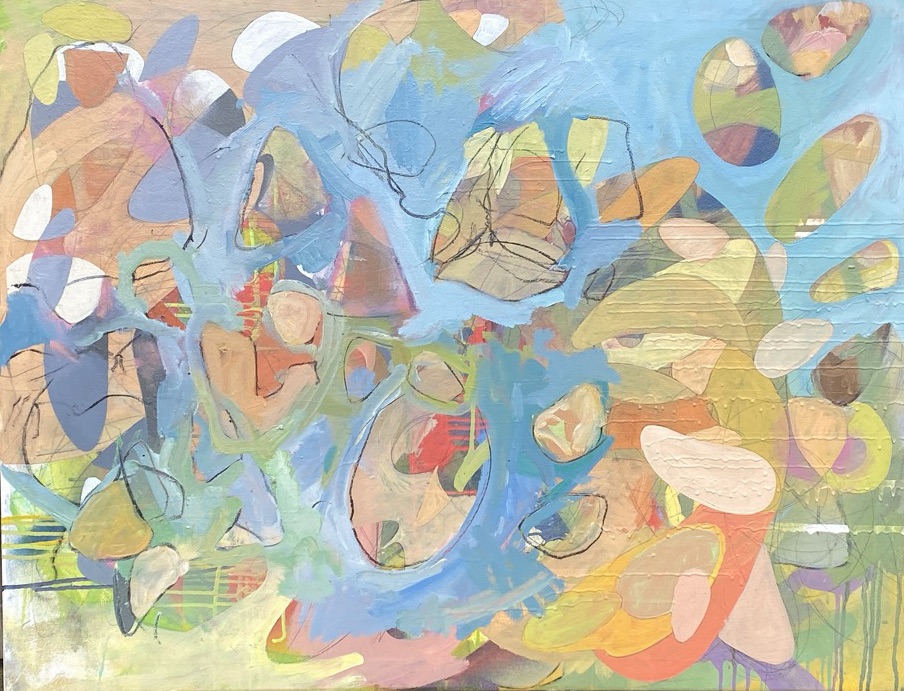
What are we doing when we look at a painting? What do we expect to find and why? What happens when we are confronted with a painting that does not play ball and instead requires us to make a stab in the dark as to what it is about?
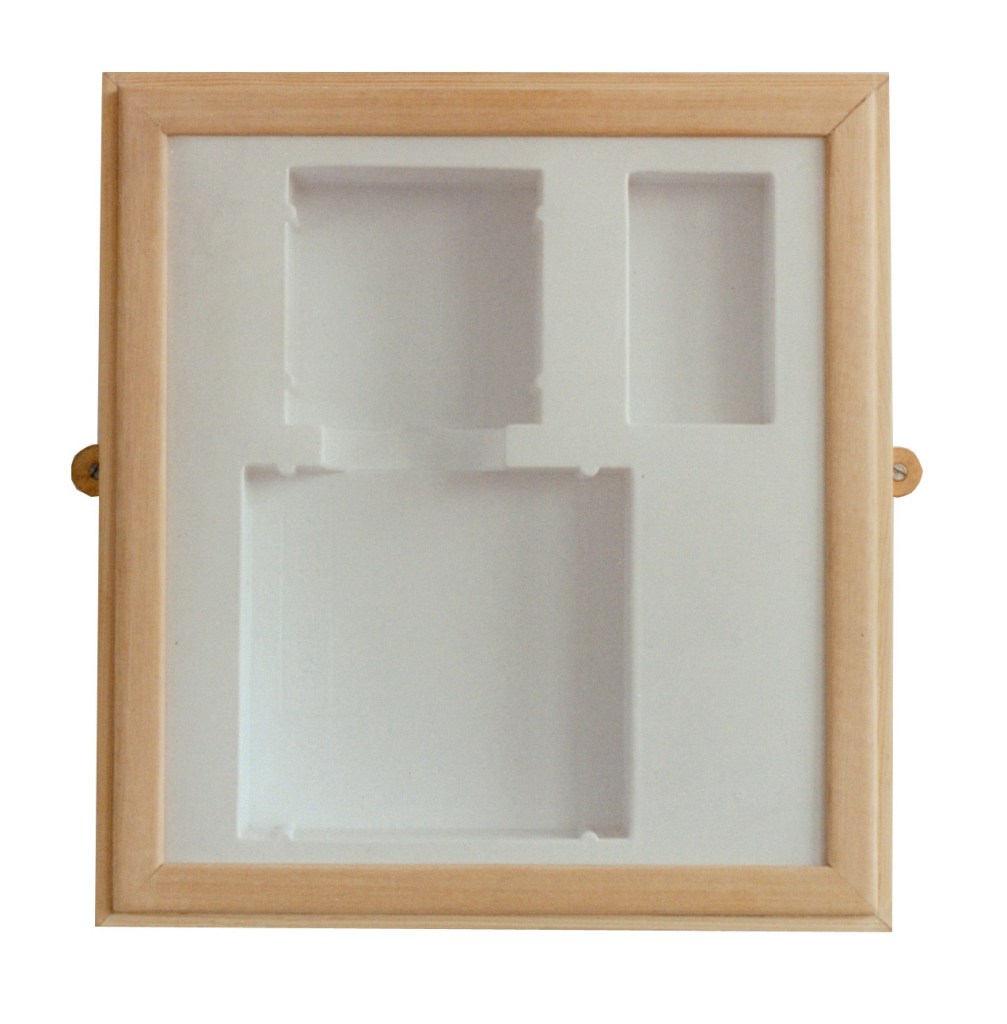
We probably have a ‘black and white’ response to such artworks. We might think, “Yeh ok, I’ll put the effort in to try and engage with it. Or I’ll brush it aside and tell myself it’s not my cup of tea, because I like to know what I’m looking at!”. So it is likely we feel an emotional response one way or the other as though we’ve just been challenged and how we resolve this depends on our own sense of confidence at dealing with similar experiences. If this isn’t our first rodeo we may feel generous and playfully toy with the implicit request to search around the painting, keeping our imagination open and receptive, maybe we will get something out of it. Alternatively we may feel frustration that here is something I do not understand, is it a test? Is the artist trying to make me look stupid because I don’t’ get it and I’m not in on the game?! Well I’ll dismiss it then, and my inner fear of embarrassment at not knowing will be quelled. Nobody wants to feel a fool.
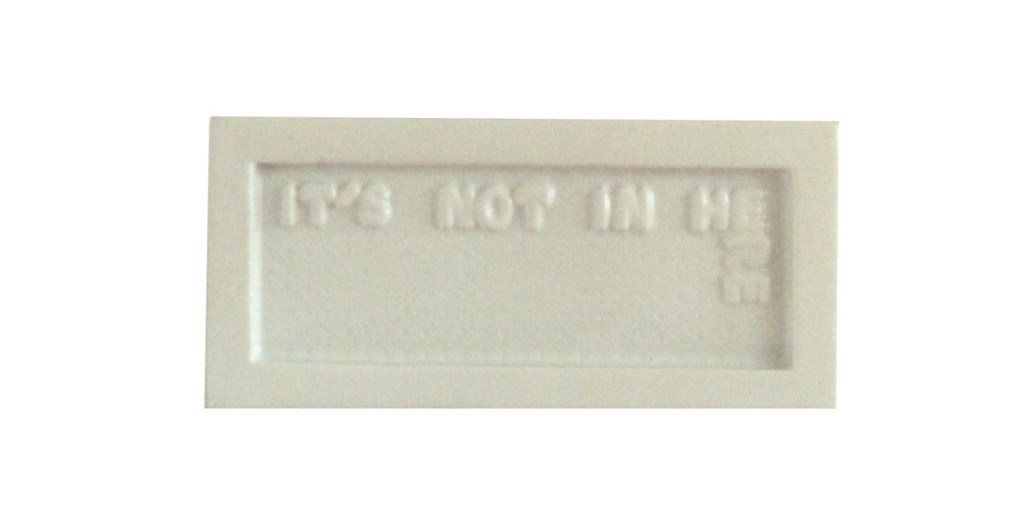
But what if the painting is approached as though it is not meant to be understood, the meaning is not in there at all.
Artists often try to project their political or philosophical ideas via their artwork, with the intention of evoking and/or provoking a response in the viewer. But I would argue that painting and the visual arts in general are different than a codified language system. They might play with this language, and we certainly use to discuss it, as I am doing right now, but it doesn’t live in it. I think a painting, at least for me, is like taking a ‘snap-shot’ of a creative moment. There are many thoughts and ideas going on, a bit like a dream, trying to uncover all these is impossible, even for the artist. Meanings can be guessed at, but these are like trying to determine the properties of a fundamental particle in physics, more about ‘probability’ than fixed knowledge.
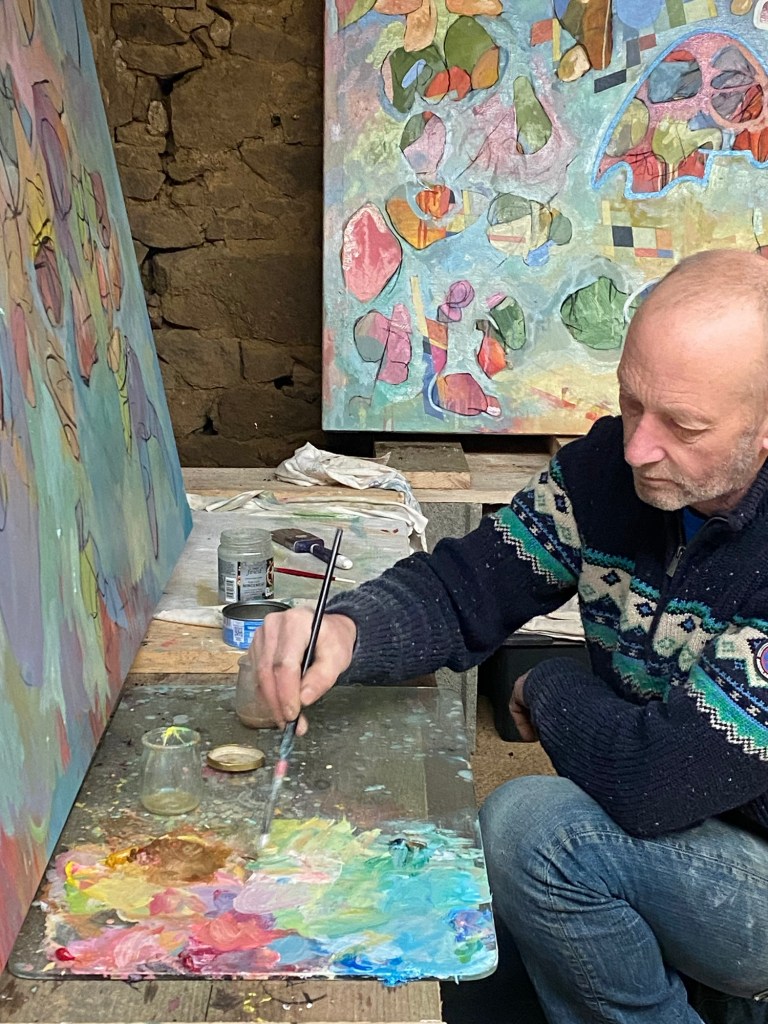
When I look at a painting I am working on, or re-visit it after a break, I become aware of different things and these in turn will ebb and flow in my consciousness. Are they ‘in the painting’? Or are they ‘in me’? Like an electron, I can try to pin it down, but its position is ‘necessarily’ unknown. In my mind, all art is like this. When you step back you can say, it’s an ‘abstract painting’ or a painting of ‘a man’ but on a ‘micro’ level it breaks down, for a physicists the painting dissolves into atoms and then clouds of electrons, for me it dissolves into colours, marks, thought processes and associations. Every element affects every other element in a constantly changing stream.
So in a nutshell, I think a painting is there to be a source of wonder, you can ‘entangle’ with it and become connected, but a technical breakdown of its component parts or categorisation of its representational elements is just a side issue. The ‘aesthetic’ response from us in front of it is more relevant and this is a personal matter, not fixed and not for anyone else to judge. Looking at a sunset or watching the waves crash and tumble against the shore, the outside world and your inner self start to fuse, boundaries blur. The same mindset is at play when you look at a painting, you no more ask what the sun is doing or how the waves operate or why, they just do.
The artist has made all the decisions that have led to this version of the painting and it is now offered for you to come and look at it. You are not an objective, neutral viewer and we all bring something personal to the table but accept that, let your thoughts and feelings go with it for a while then get on with your day to day stuff.
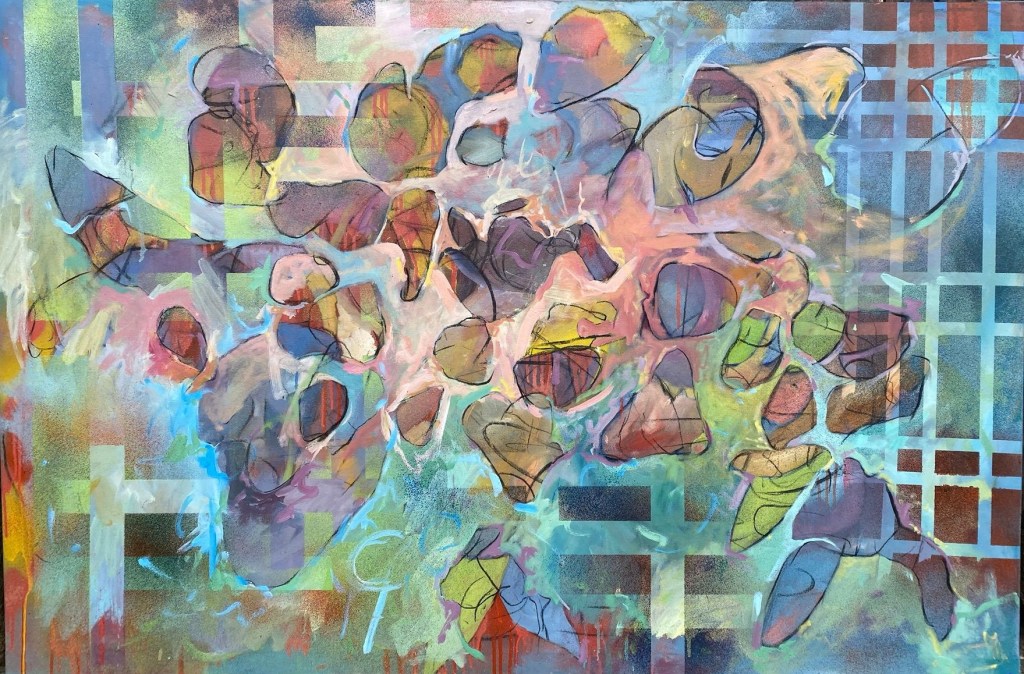
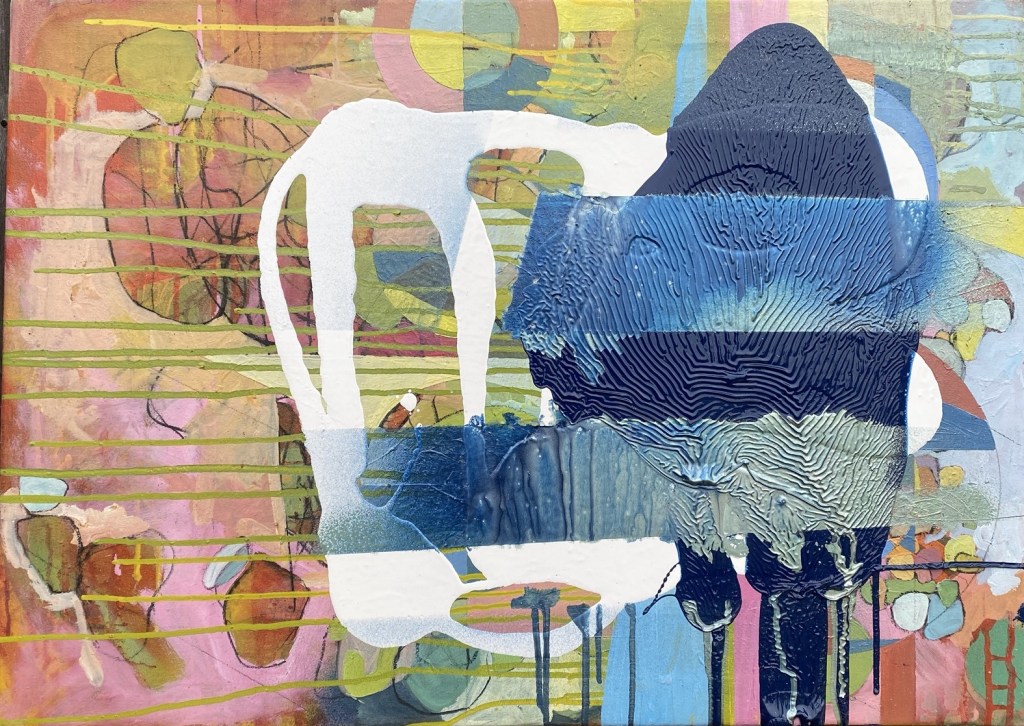
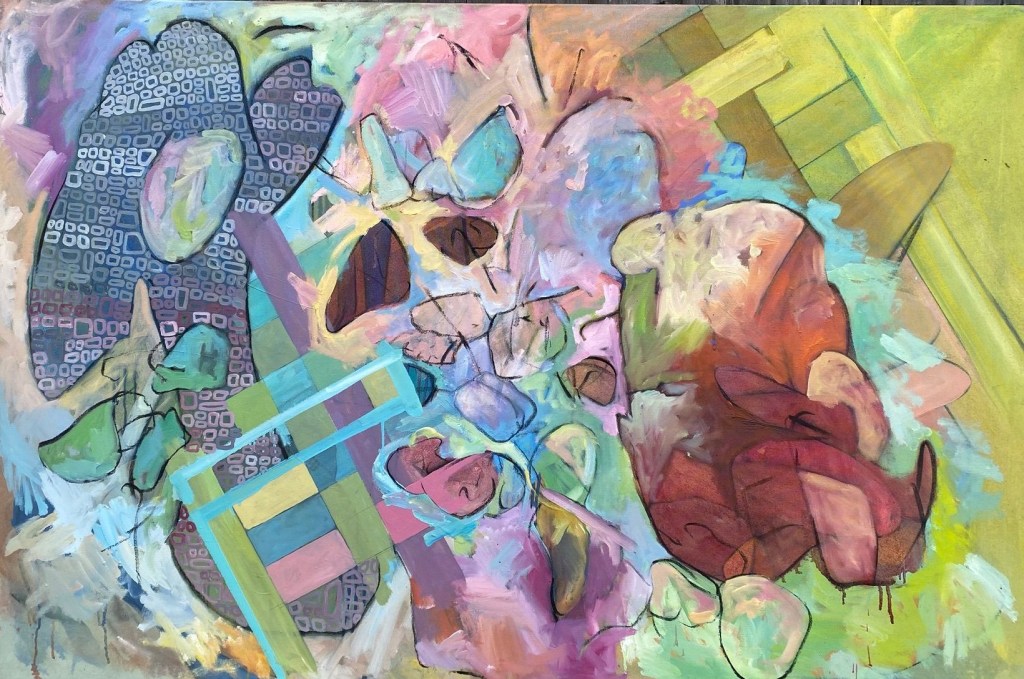
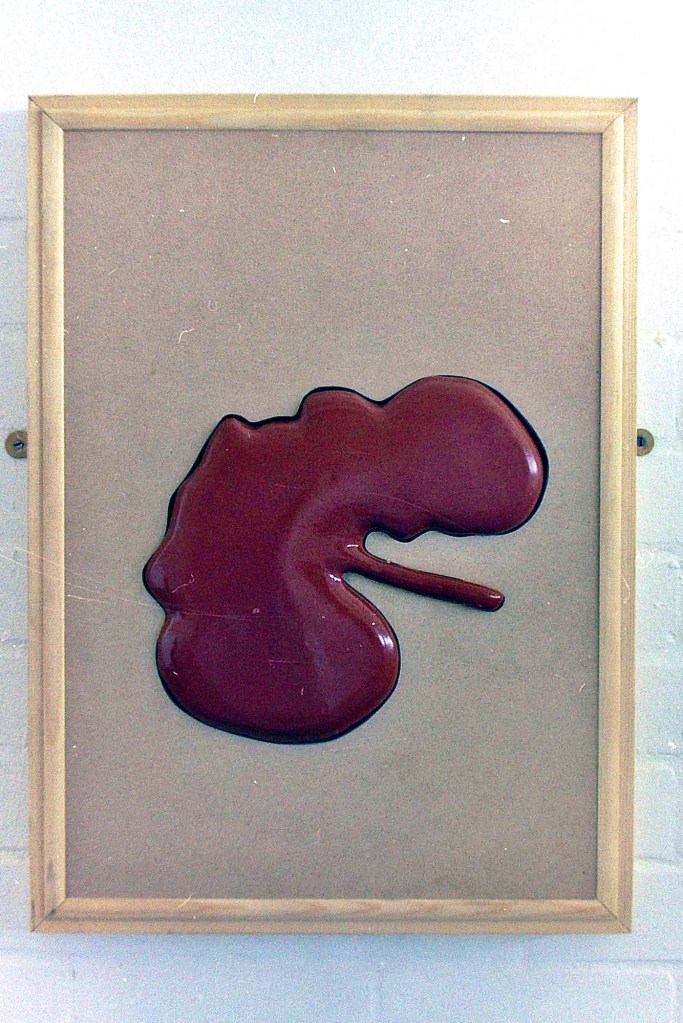
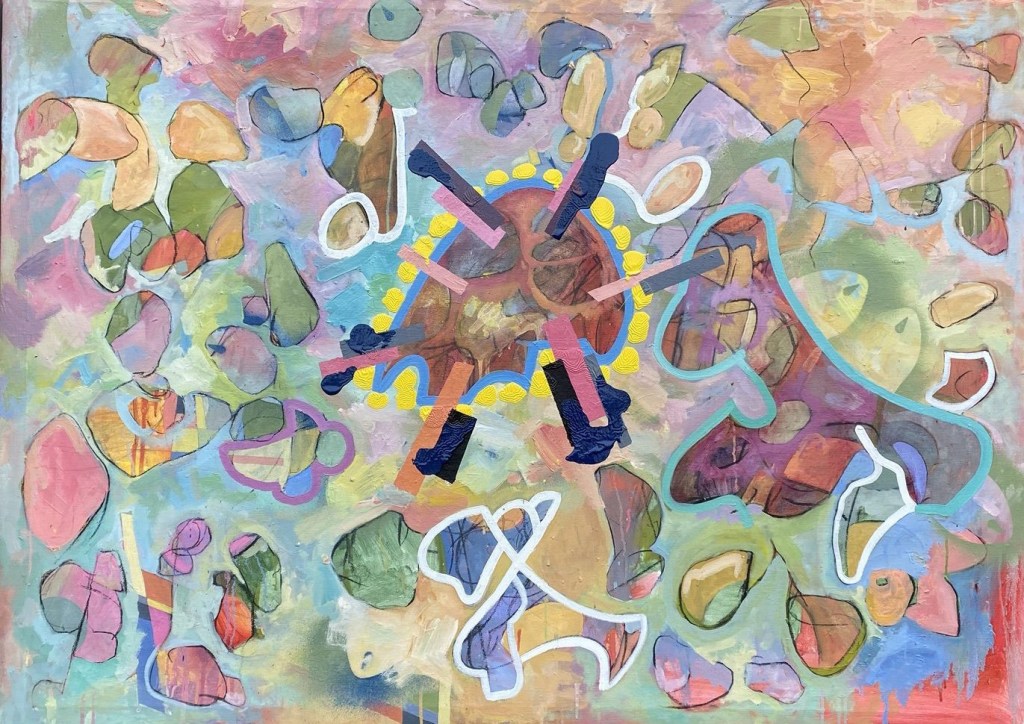
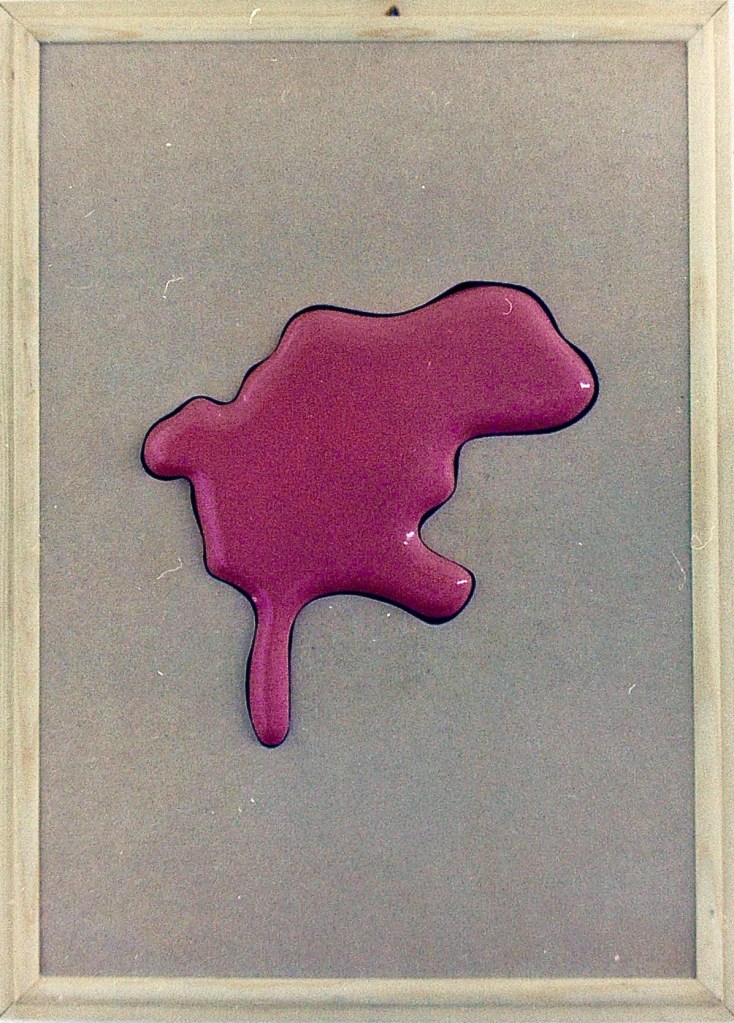
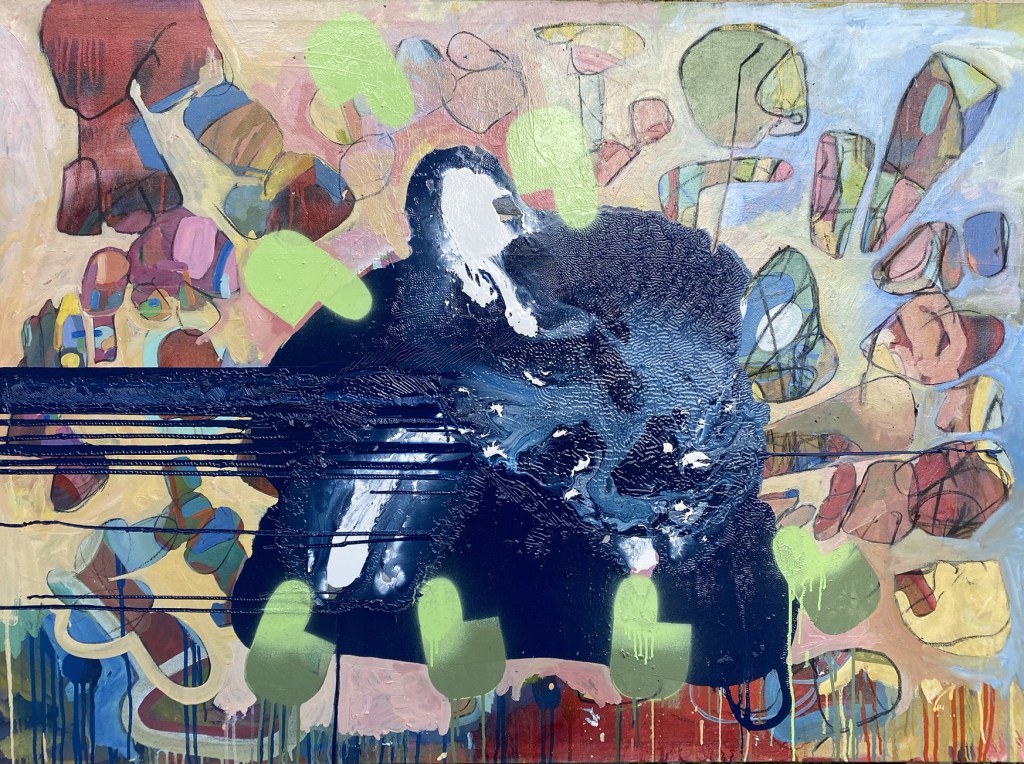
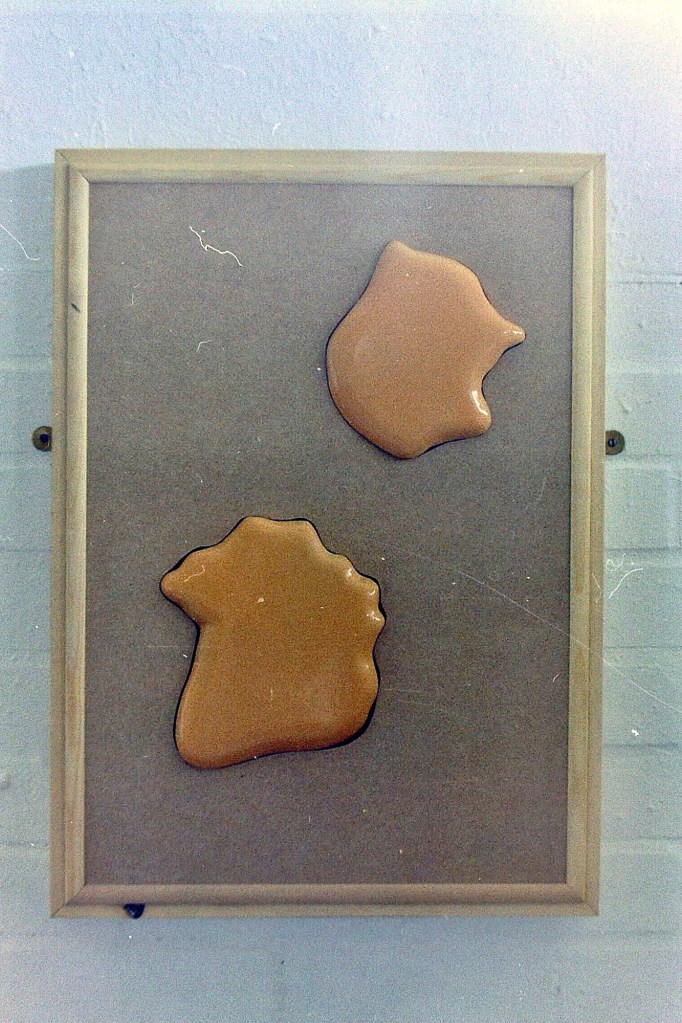
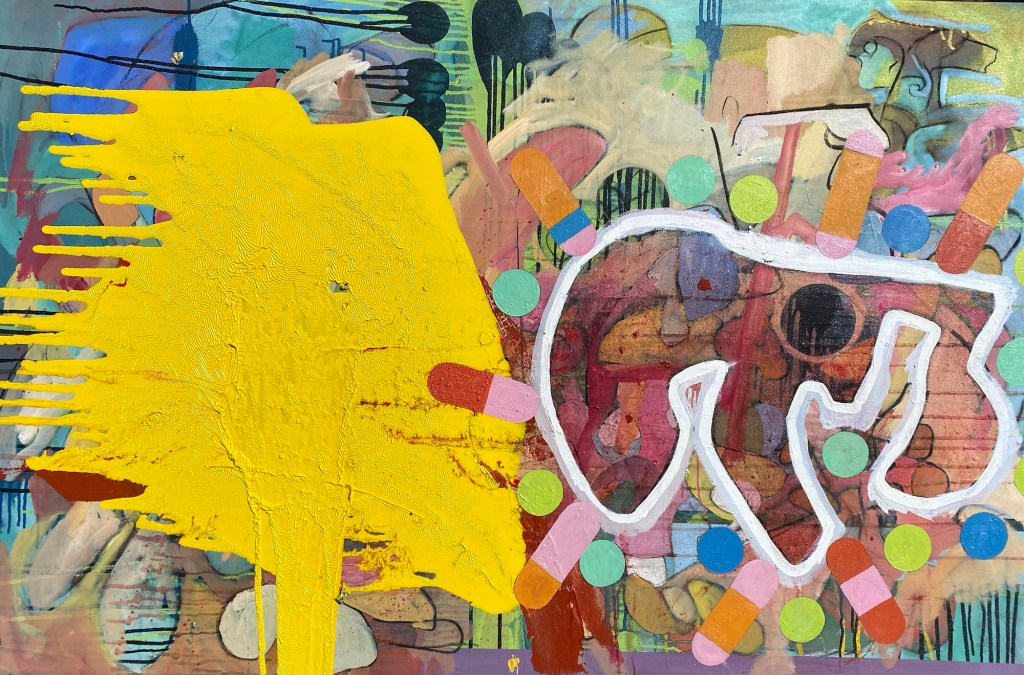
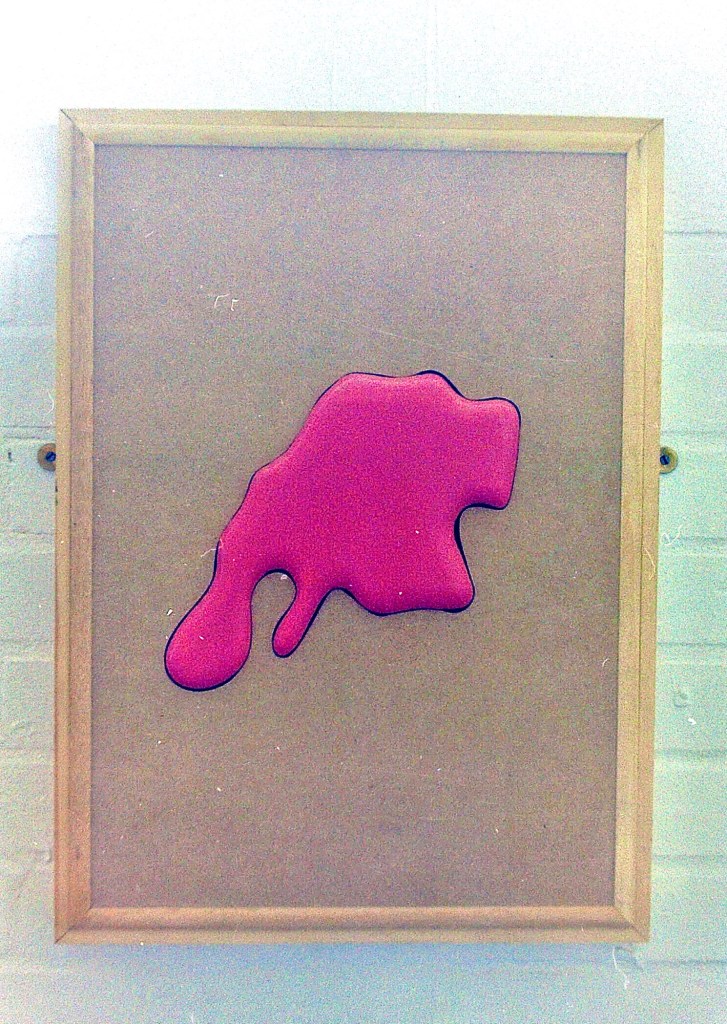
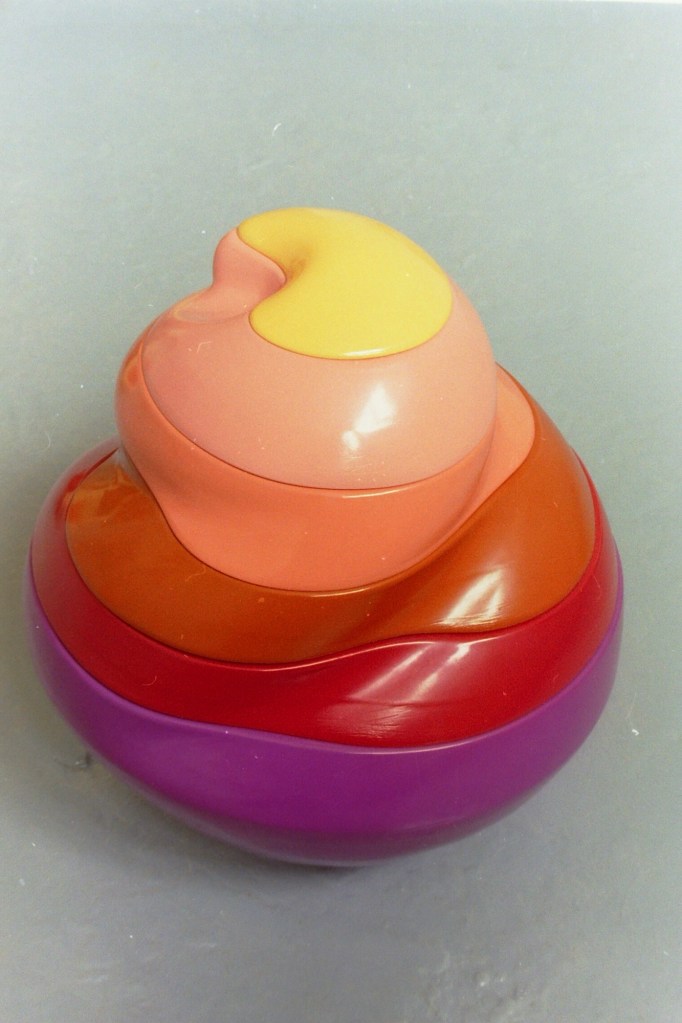
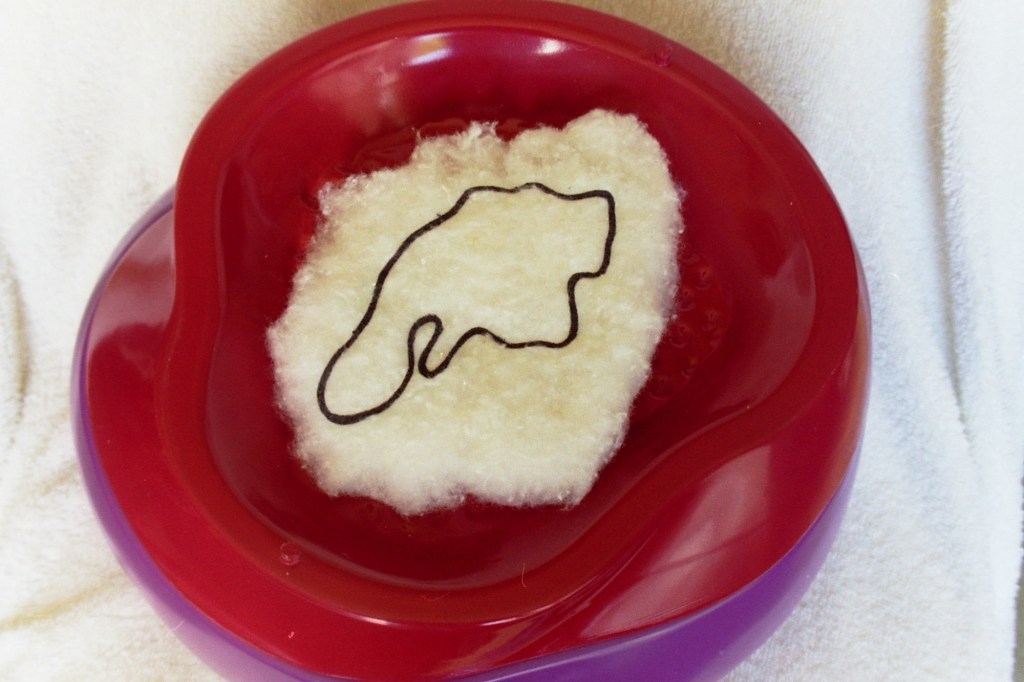
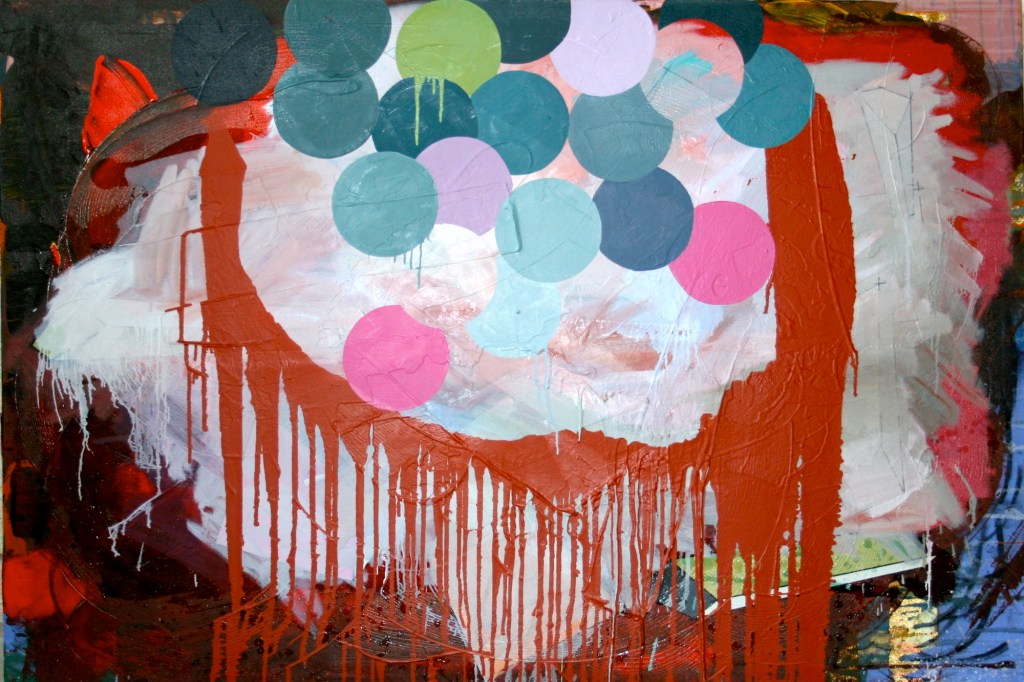
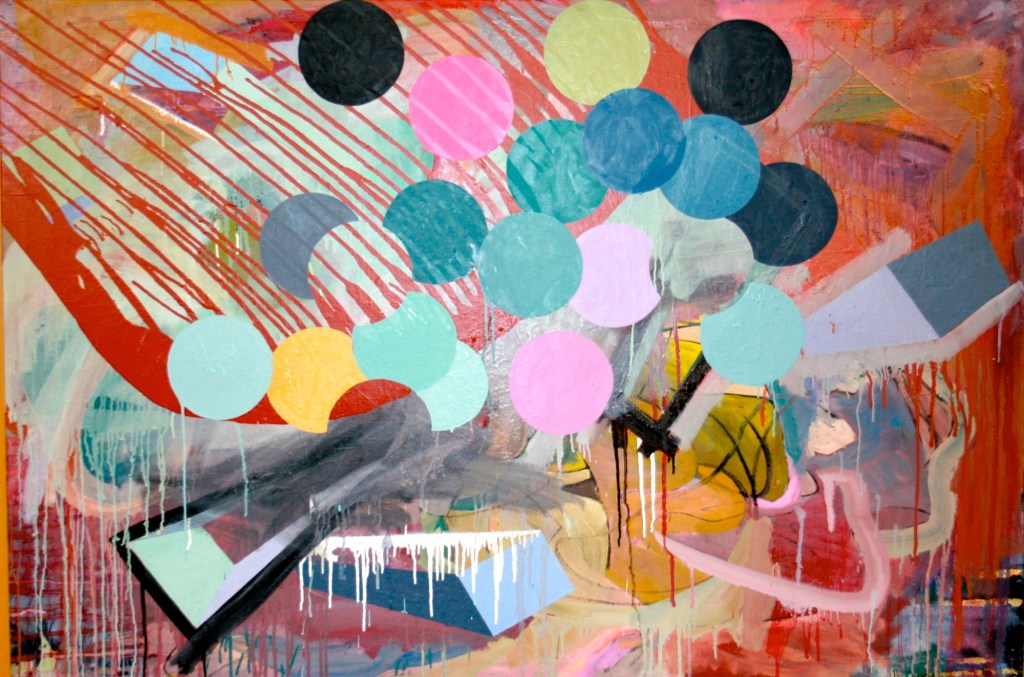
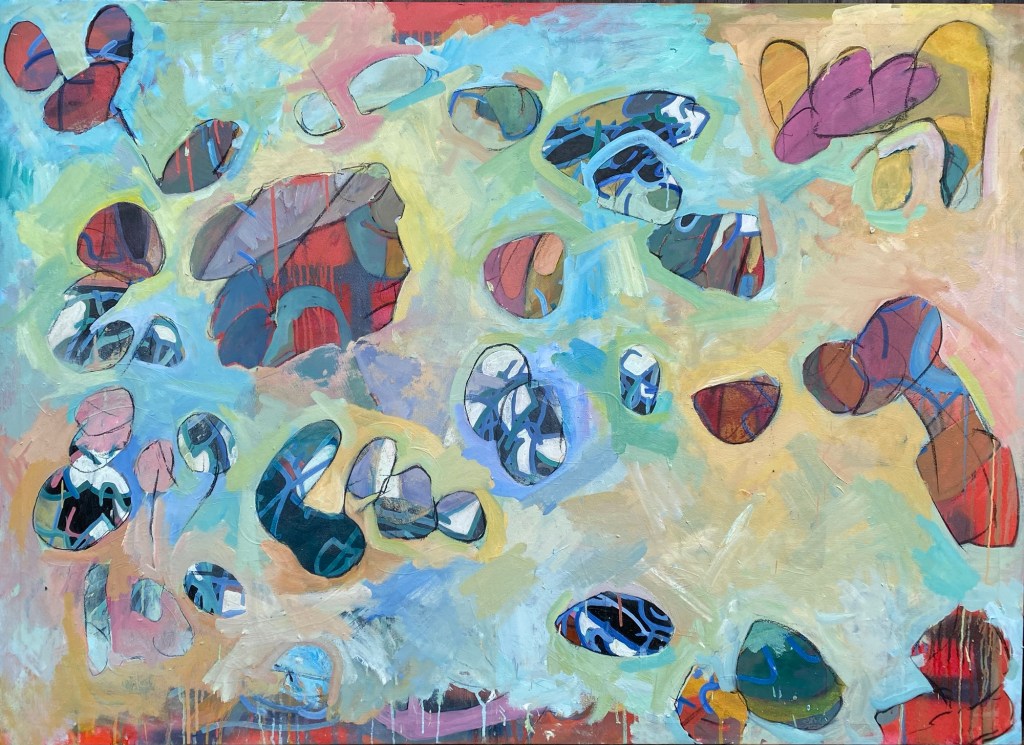
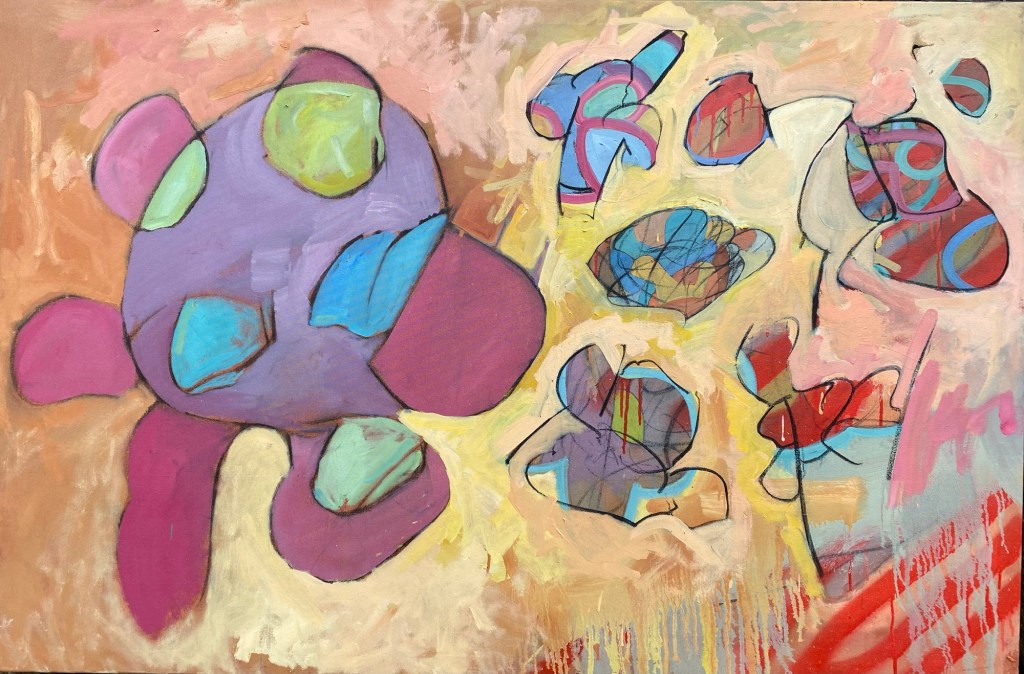
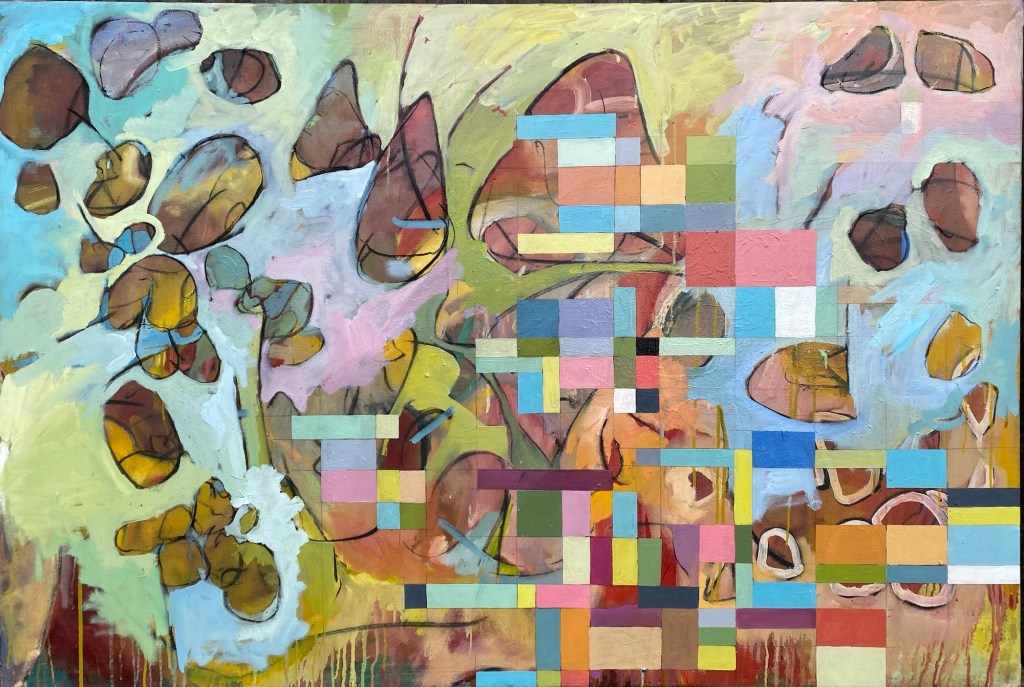
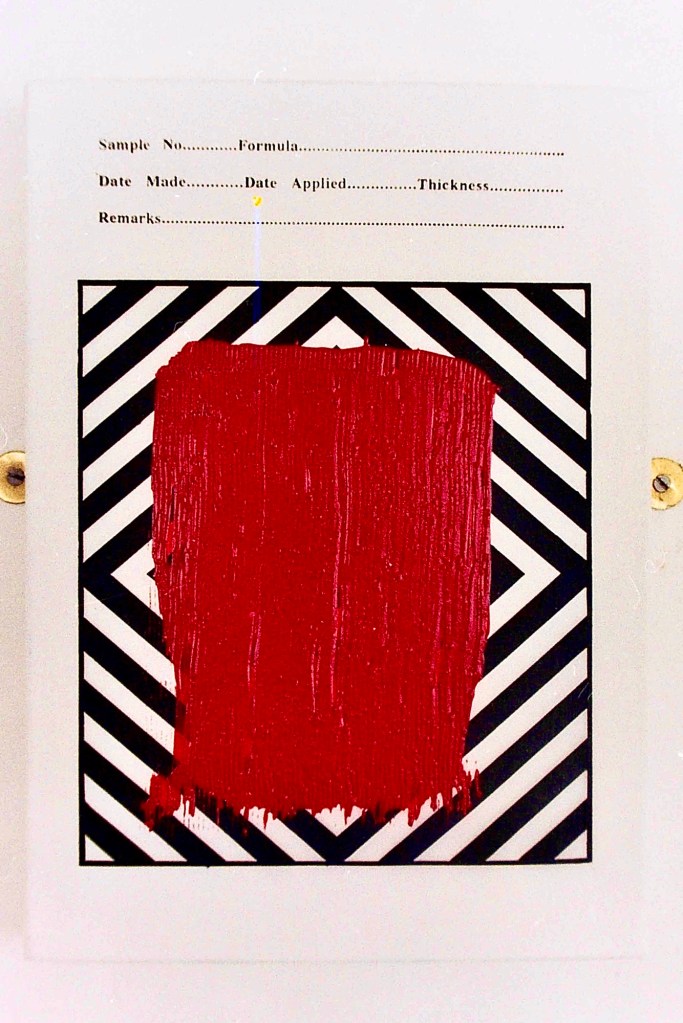
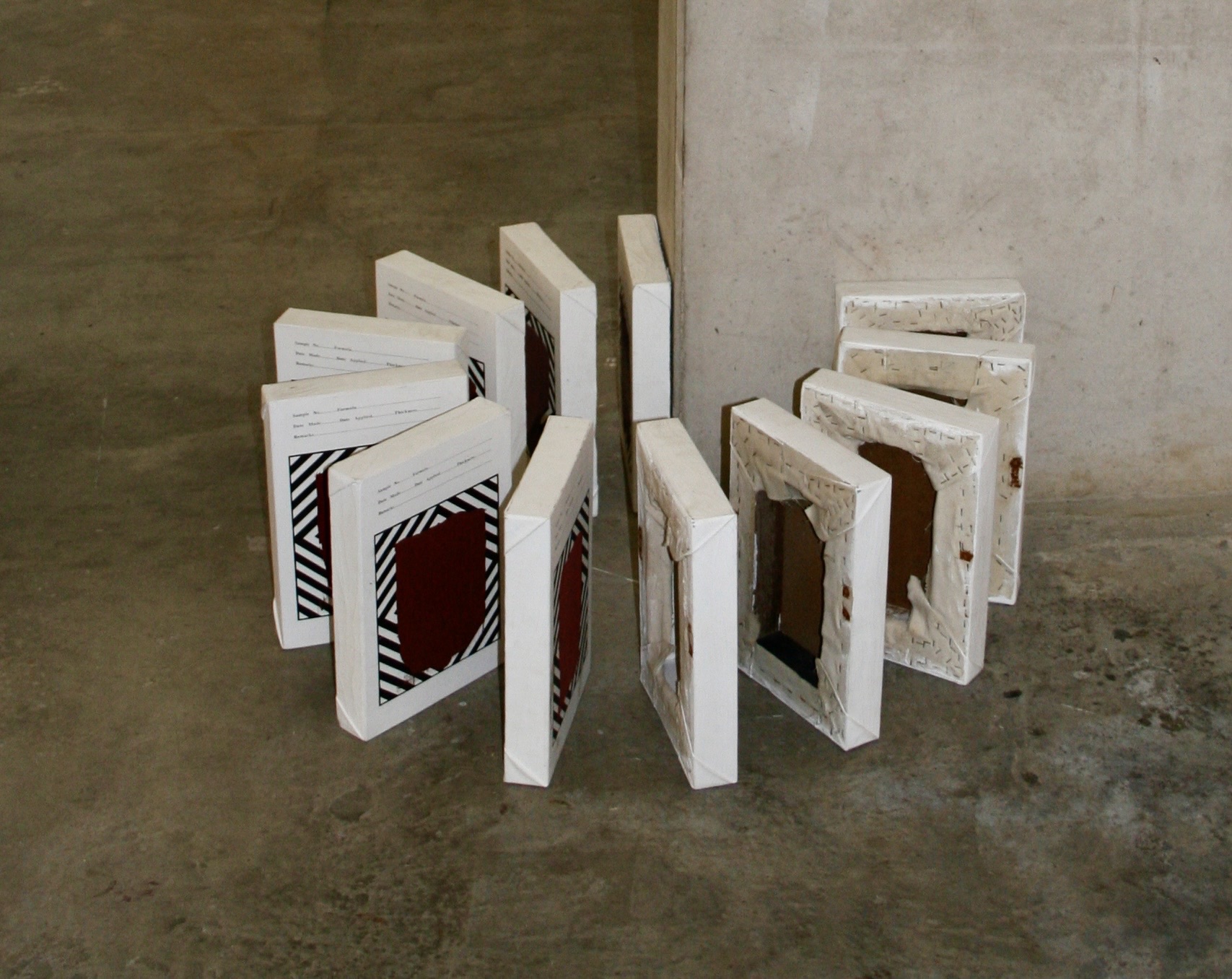
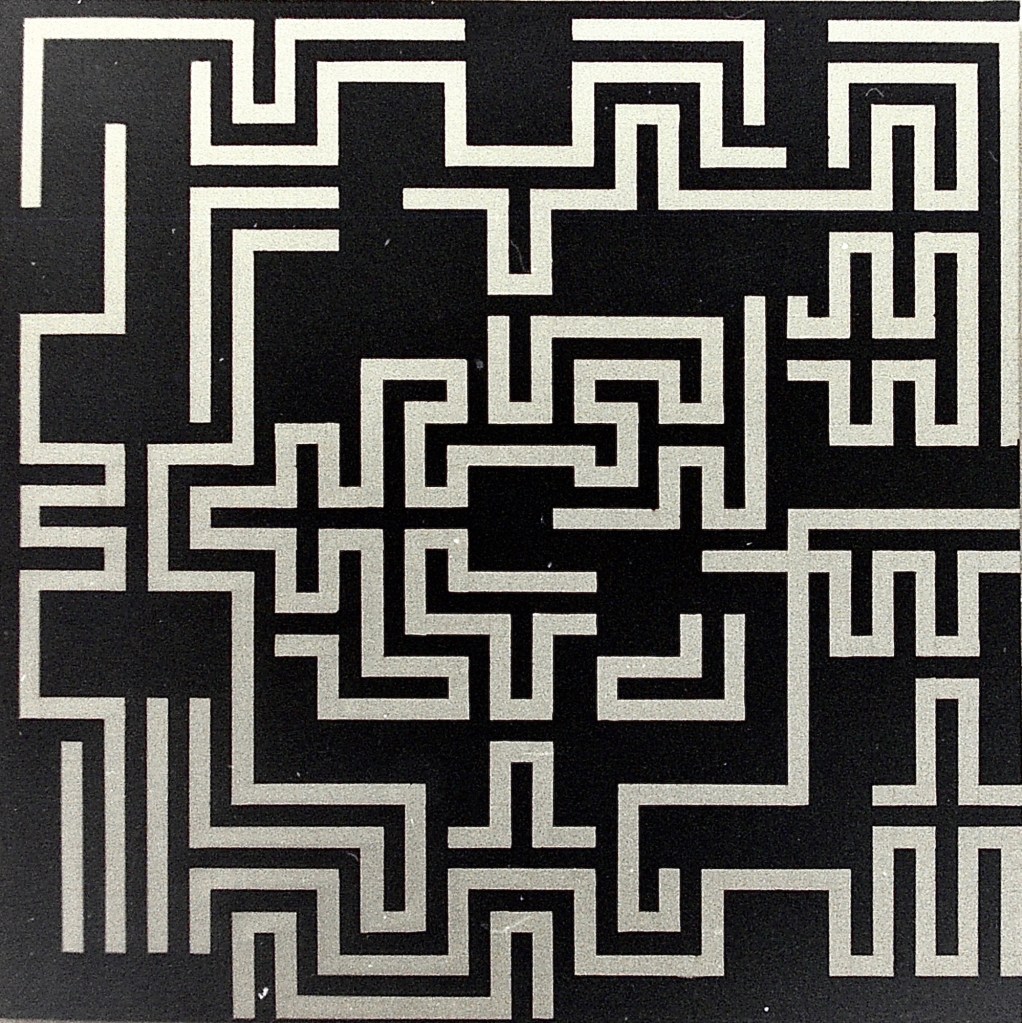
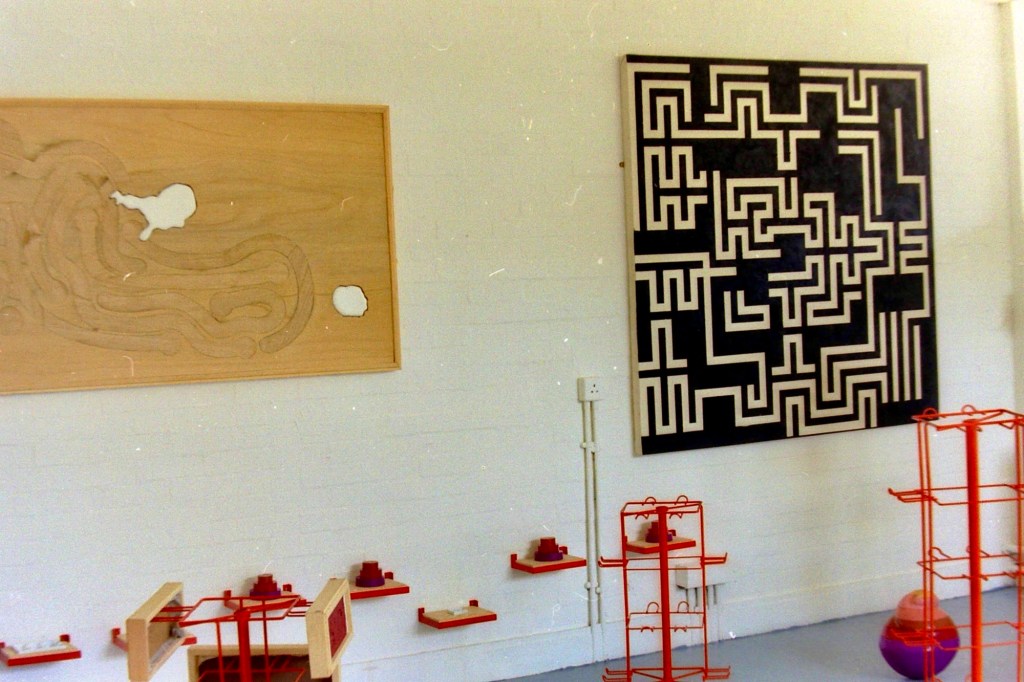
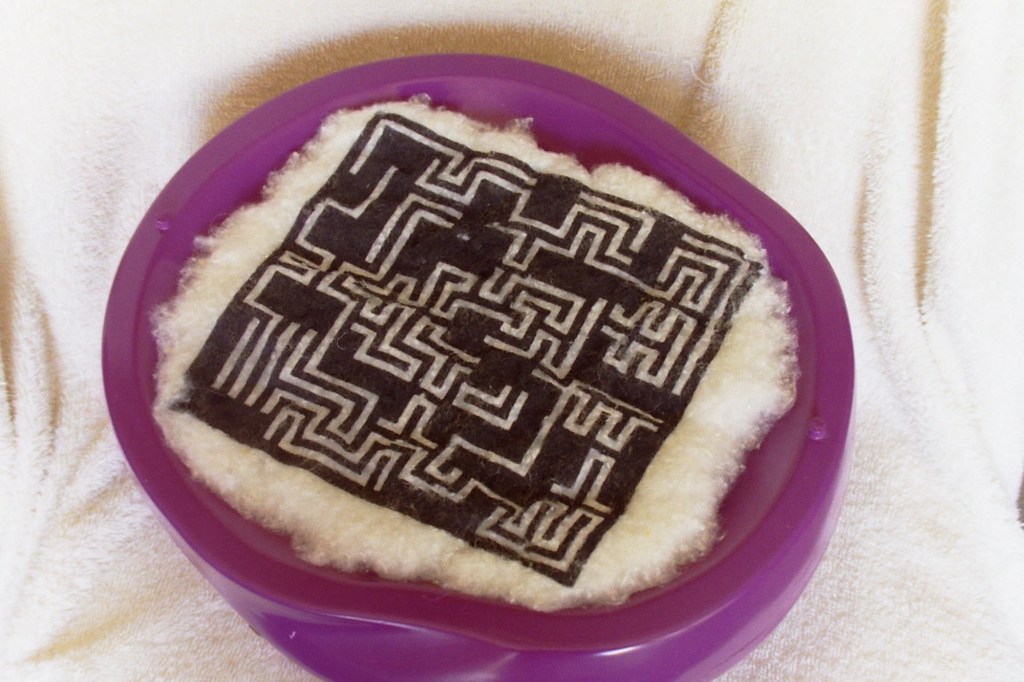
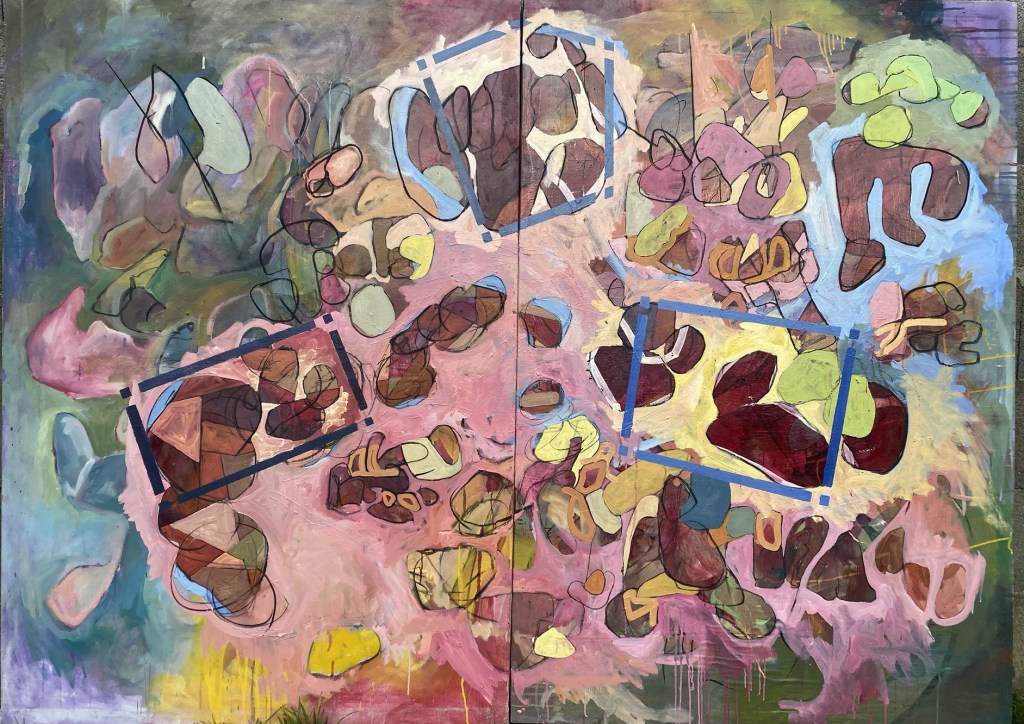
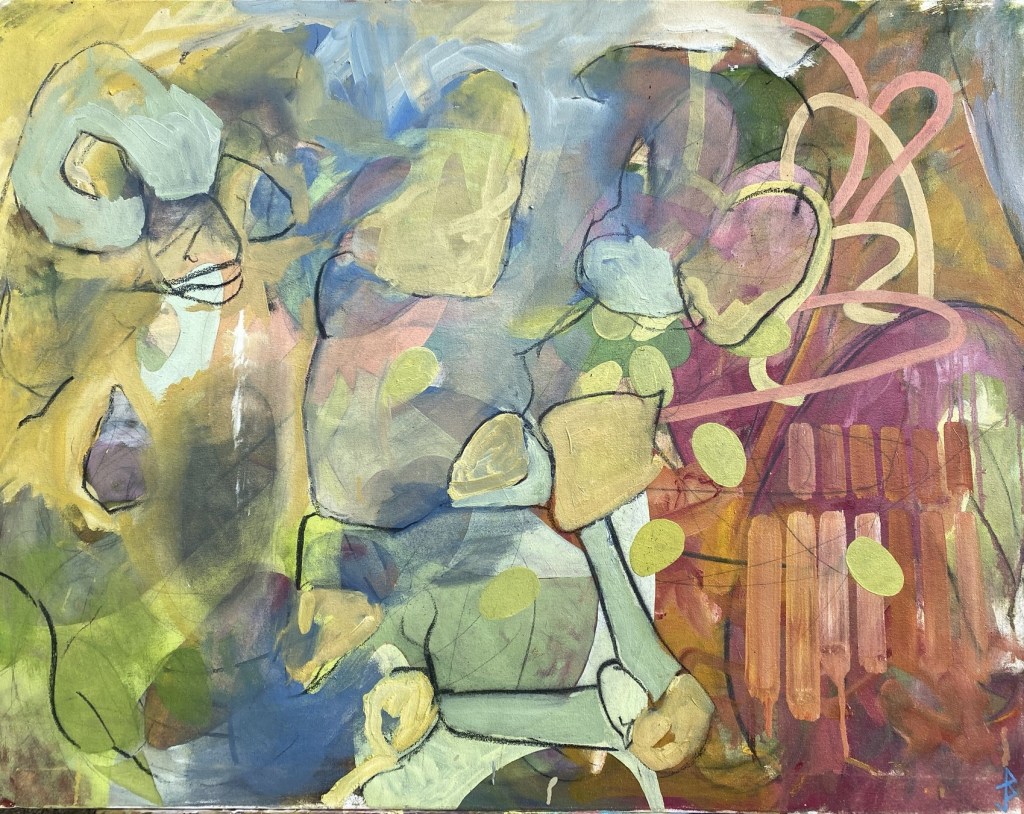
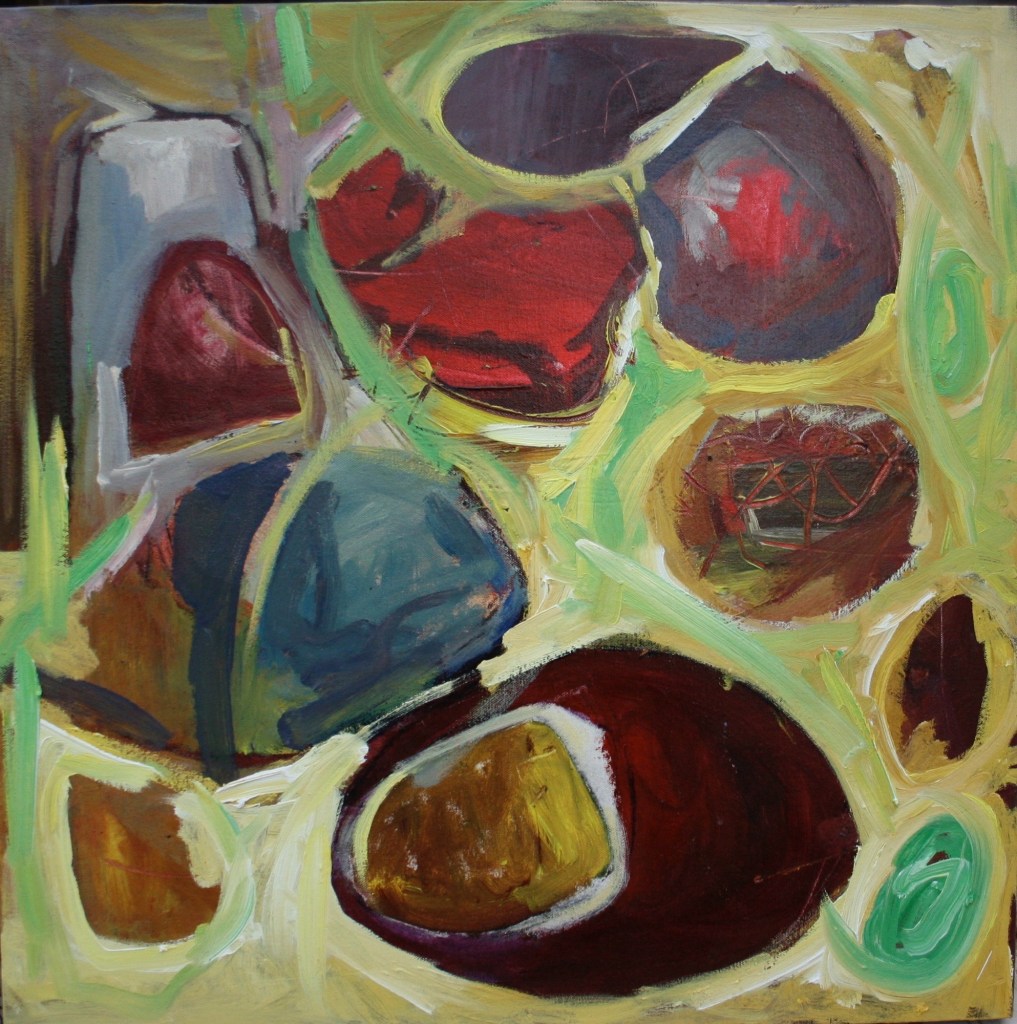
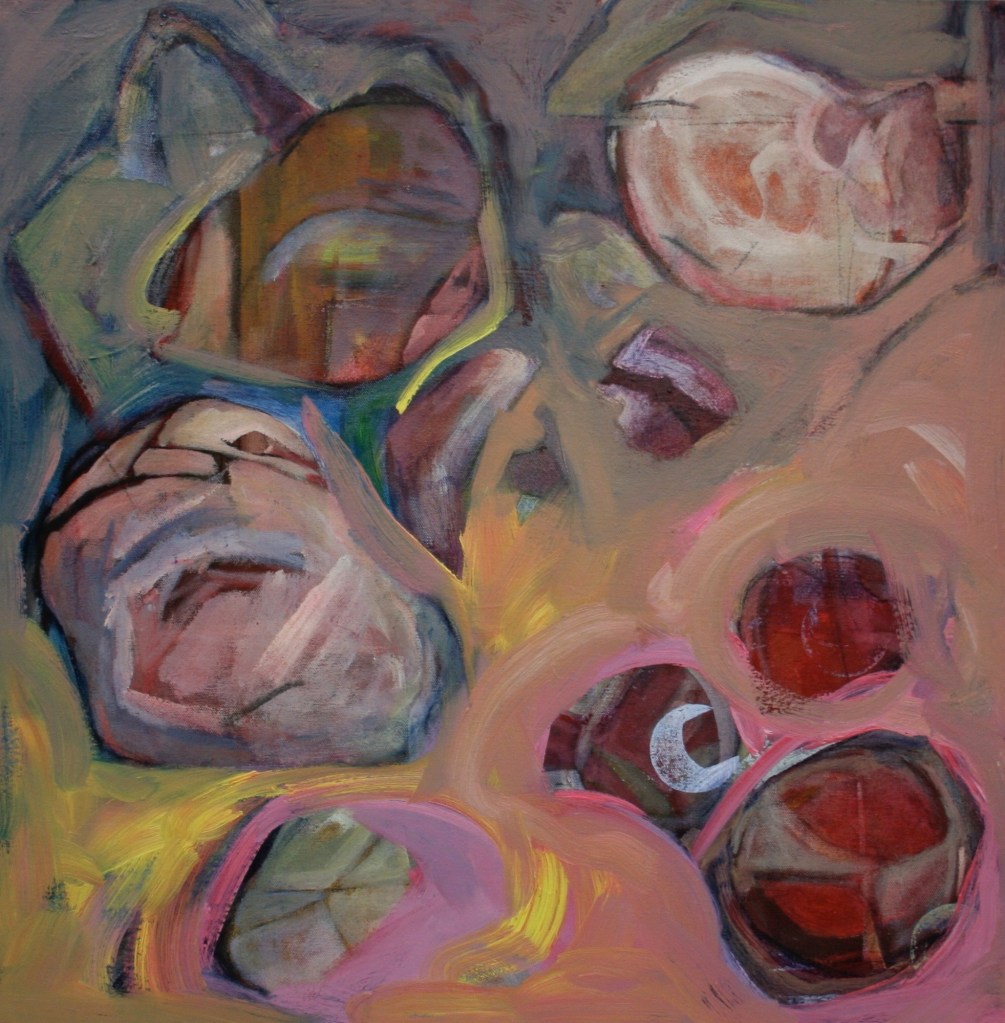
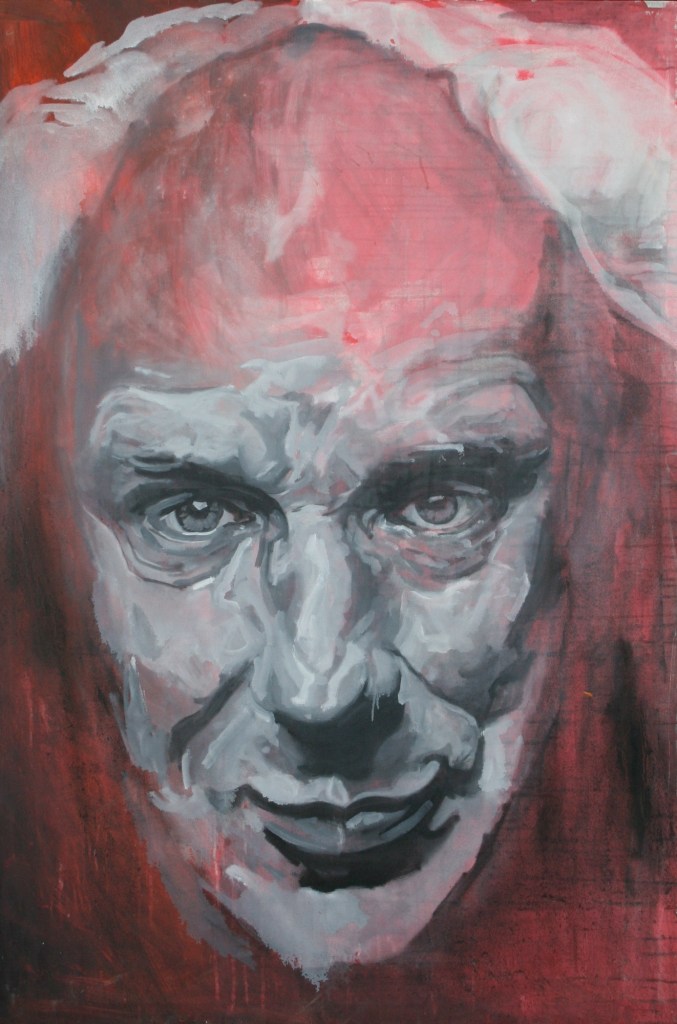
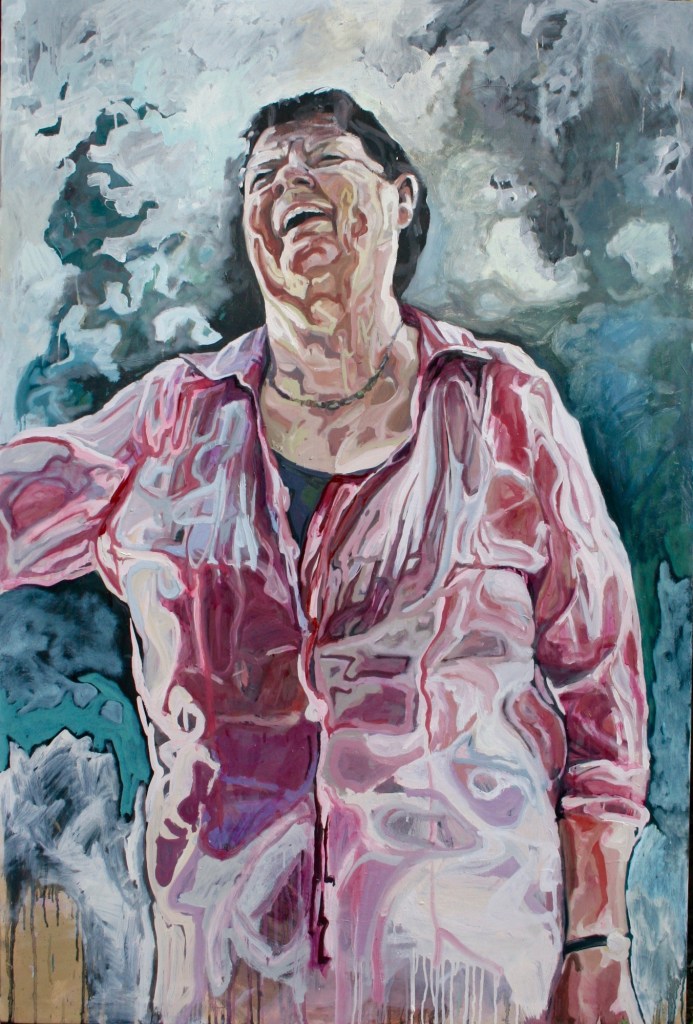
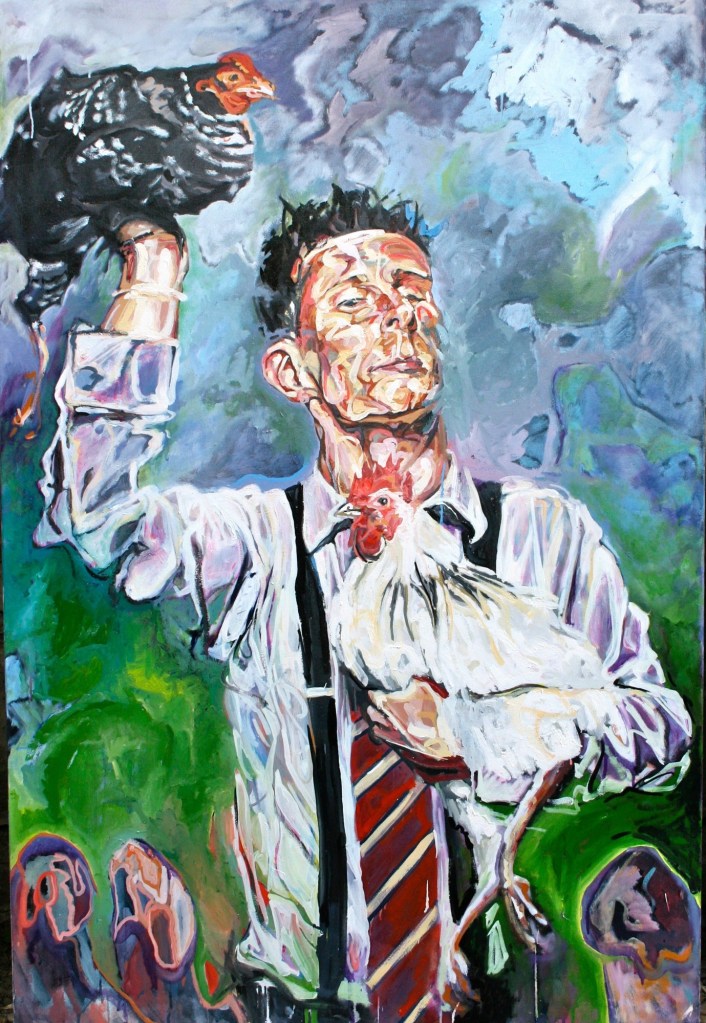
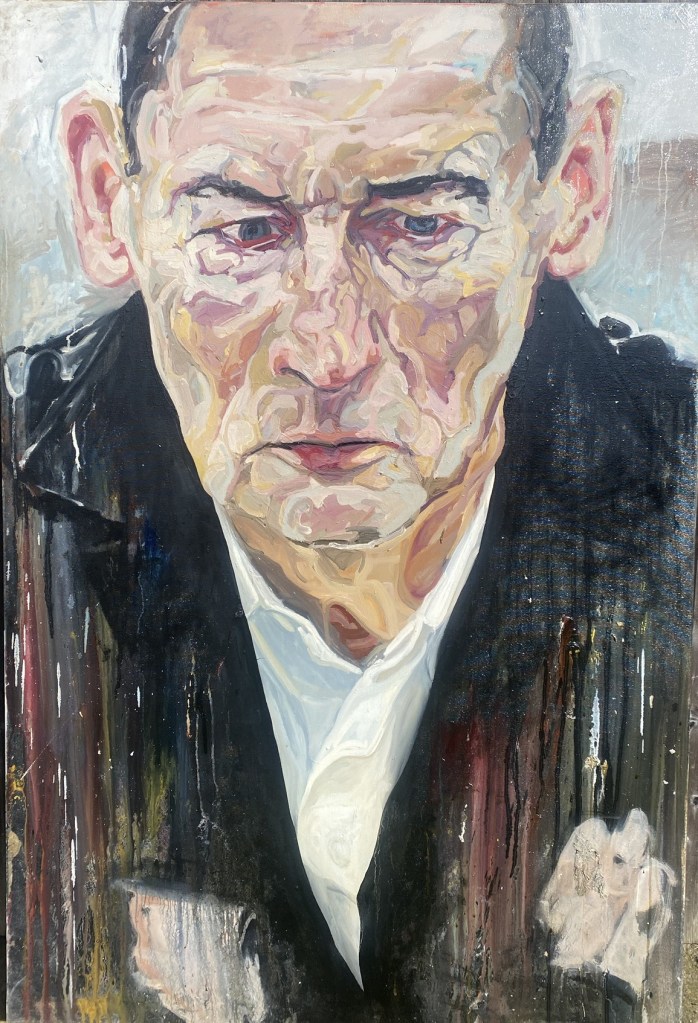
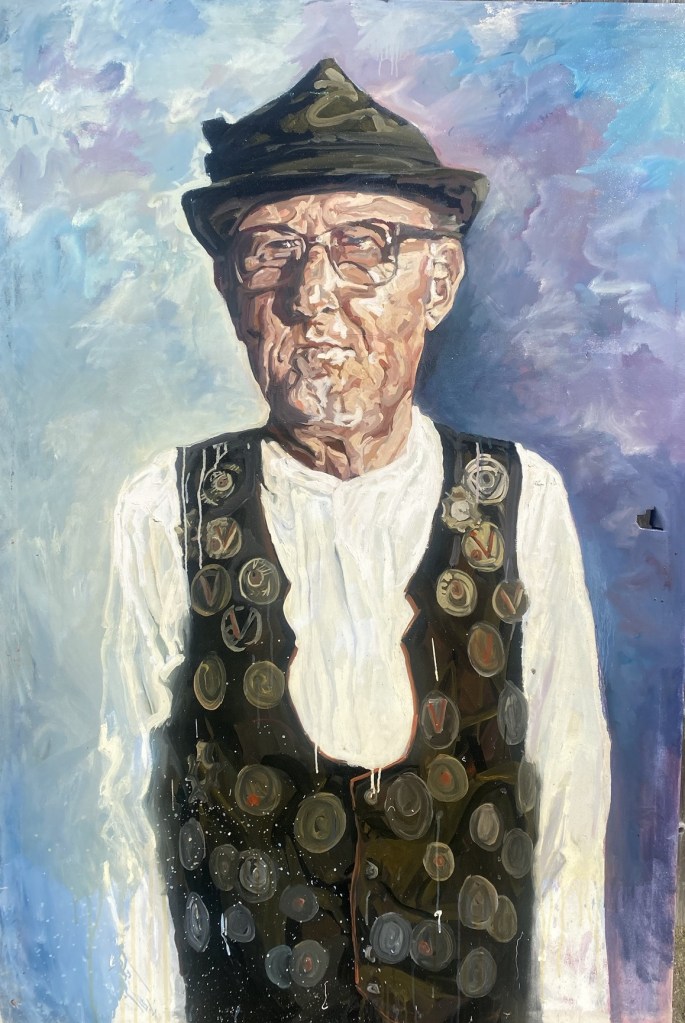
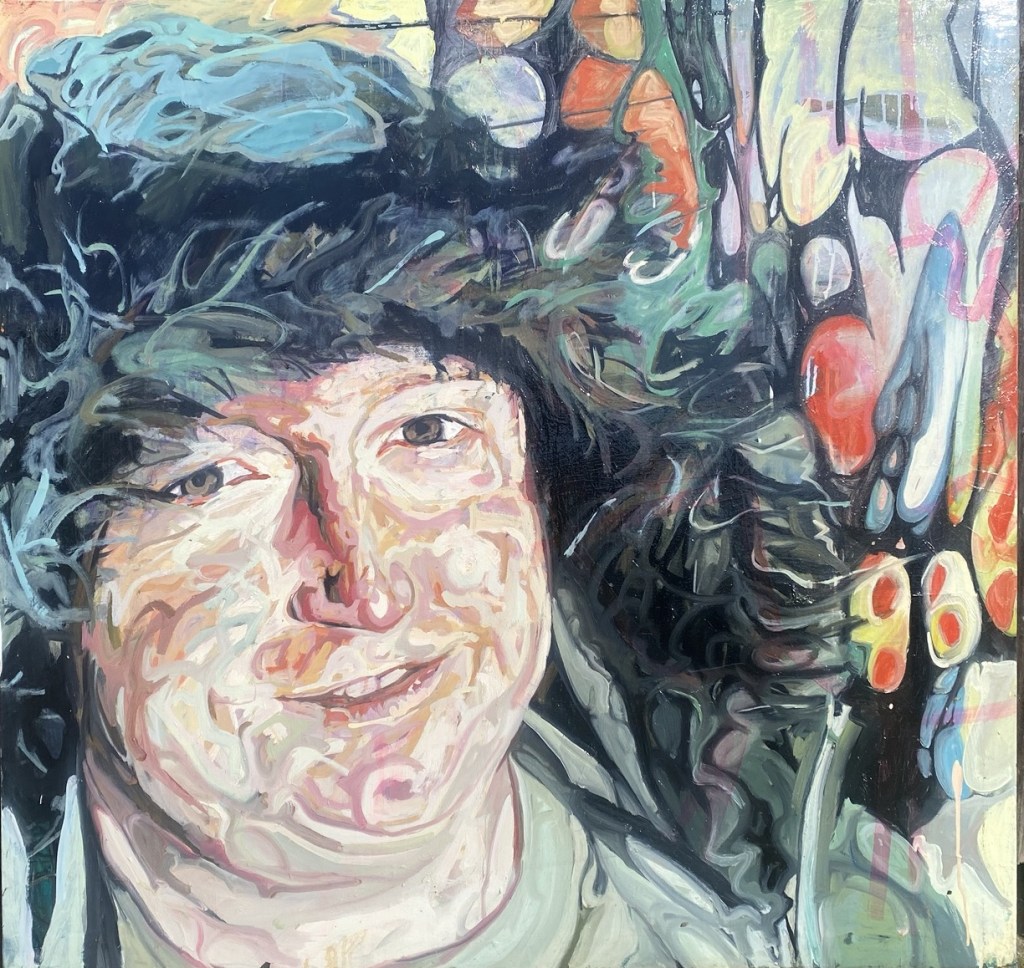
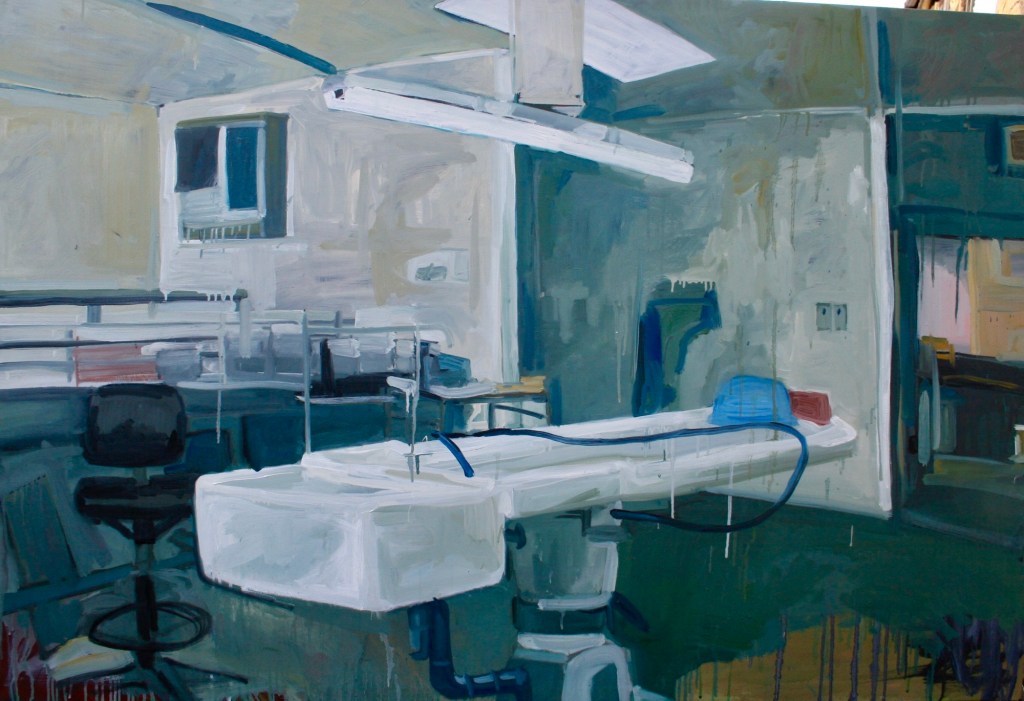
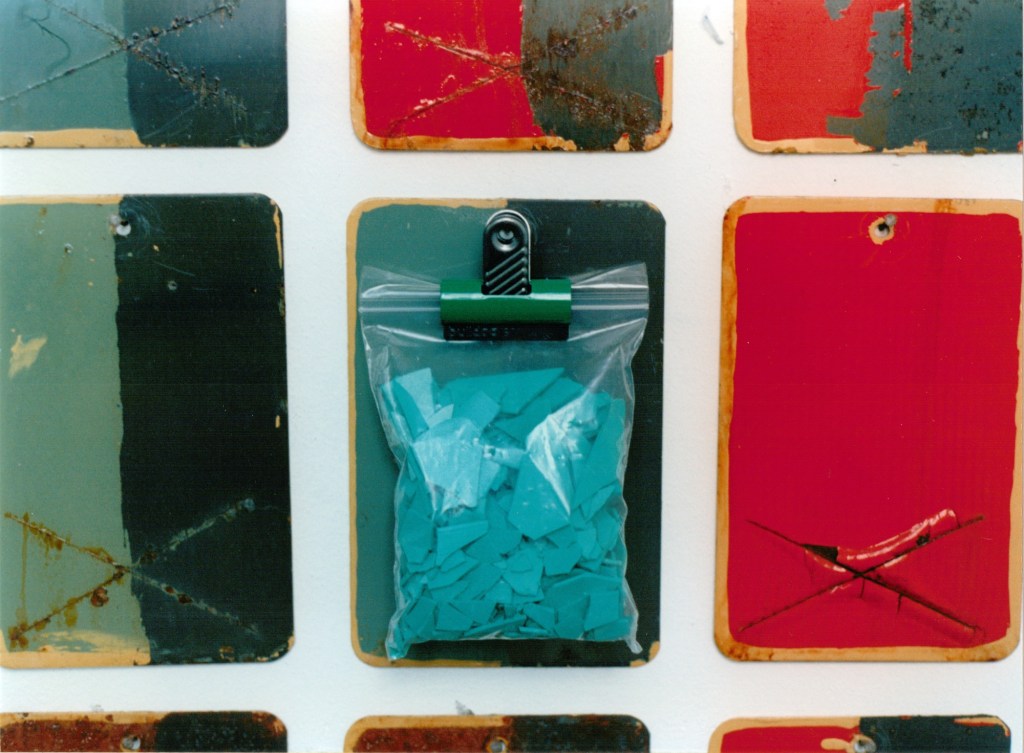
So here’s some paintings I’ve been working on.

